When it comes to self-defense tools and unique gear like bullwhips, one question frequently arises: Is it legal to carry a bullwhip? The answer isn’t straightforward—it depends heavily on your location, intent, and how the whip is used.
In this guide, we’ll break down the legal landscape so you can stay informed and avoid costly mistakes.
Understanding What a Bullwhip Is
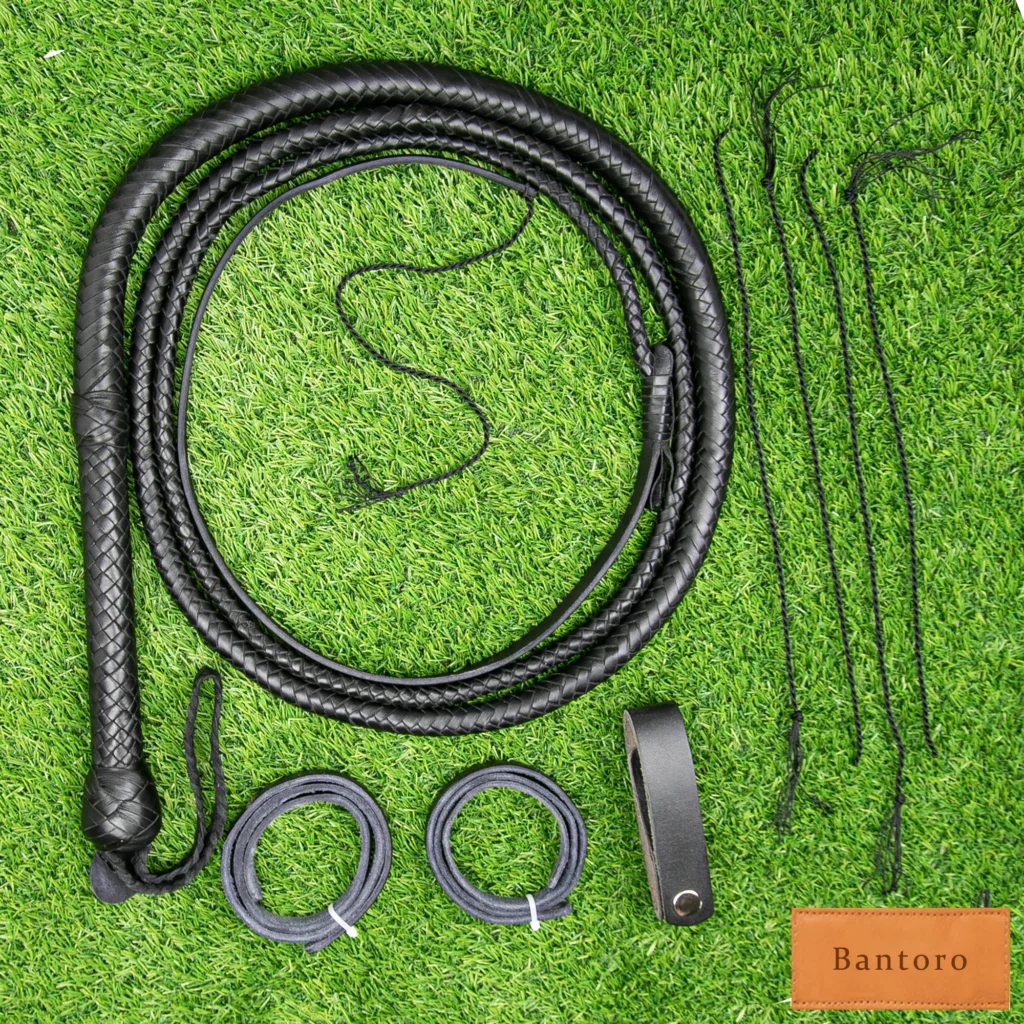
A bullwhip is a traditional tool made from braided leather, historically used in livestock handling. Today, it is also used for:
- Performance and sport
- Collectibles and craftsmanship
- BDSM and lifestyle use
- Self-defense (in some cases)
However, legality depends less on what it is and more on how authorities classify it under weapon laws.

⚖️ Is Carrying a Bullwhip Legal? (General Answer)

In most countries:
- Owning a bullwhip is generally legal
- Carrying it in public may be restricted
- Using it as a weapon can lead to criminal charges
There is no universal law banning whips, but they are often categorized under “dangerous weapons” depending on context
🌍 Bullwhip Laws by Region
🇺🇸 United States
- No federal ban on whips
- Laws vary by state and city
- Some areas restrict:
- Concealed carry
- Carry with intent to harm
Even if legal, using a whip aggressively can result in assault charges

United Kingdom
The UK has stricter weapon laws:
- Carrying any weapon in public requires a “good reason”
- Even non-banned items can become illegal if carried for self-defense
For example, UK law states it is illegal to carry weapons in public without valid justification .
This means a bullwhip could be considered illegal if:

- Carried for intimidation
- Used as a weapon
- Lacked a legitimate purpose (e.g., performance)
Other Countries
- Laws are typically less specific about whips
- General weapon laws apply
- Authorities may classify a whip as:
- A harmful instrument
- A weapon based on intent
Key point: Intent matters more than the item itself

🚨 When Carrying a Bullwhip Becomes Illegal
Even where bullwhips are legal, you can get into legal trouble if:
- You carry it with intent to harm someone
- You use it in a threatening manner
- You bring it into restricted places (airports, government buildings)
- You conceal it unlawfully (depending on jurisdiction)
In many legal systems, intent can turn a legal object into an illegal weapon

🛡️ Can You Carry a Bullwhip for Self-Defense?
This is where most people get confused.
- Some regions allow self-defense tools
- Others prohibit carrying any weapon for that purpose
Even if allowed:
- You must use reasonable force
- Excessive force can lead to serious criminal charges
⚠️ Legal Risks You Should Know
Carrying a bullwhip irresponsibly can lead to:
- Fines
- Confiscation
- Criminal charges (assault or weapon possession)
- Jail time in severe cases
✅ How to Stay Safe and Legal
Before carrying a bullwhip:
✔ Check your local laws
✔ Avoid carrying in public without purpose
✔ Never use it to threaten or harm
✔ Use it only in controlled environments
🔚 Final Verdict
So, is it legal to carry a bullwhip?
👉 Yes — but only under the right conditions.
- Legal to own in most places
- Restricted in public use
- Highly dependent on intent and local laws
The safest approach? Treat a bullwhip as a controlled tool—not a public weapon.
🛒 Choosing the Right Bullwhip
If you’re purchasing a bullwhip for legal uses like performance, collection, or lifestyle, always choose high-quality craftsmanship and durability.
Explore premium handcrafted options at:
👉 Bantoro